Before you begin
What you’ll learn
- OB
Order block is a change in the state of delivery.
In order for us to get a real CISD, we need to use:
The sequence of last up close (bullish) or down close (bearish) candles before a reversal (preferred).
The very 1st candle that tapped HTF level.
OB is a strong confirmation of SMR.
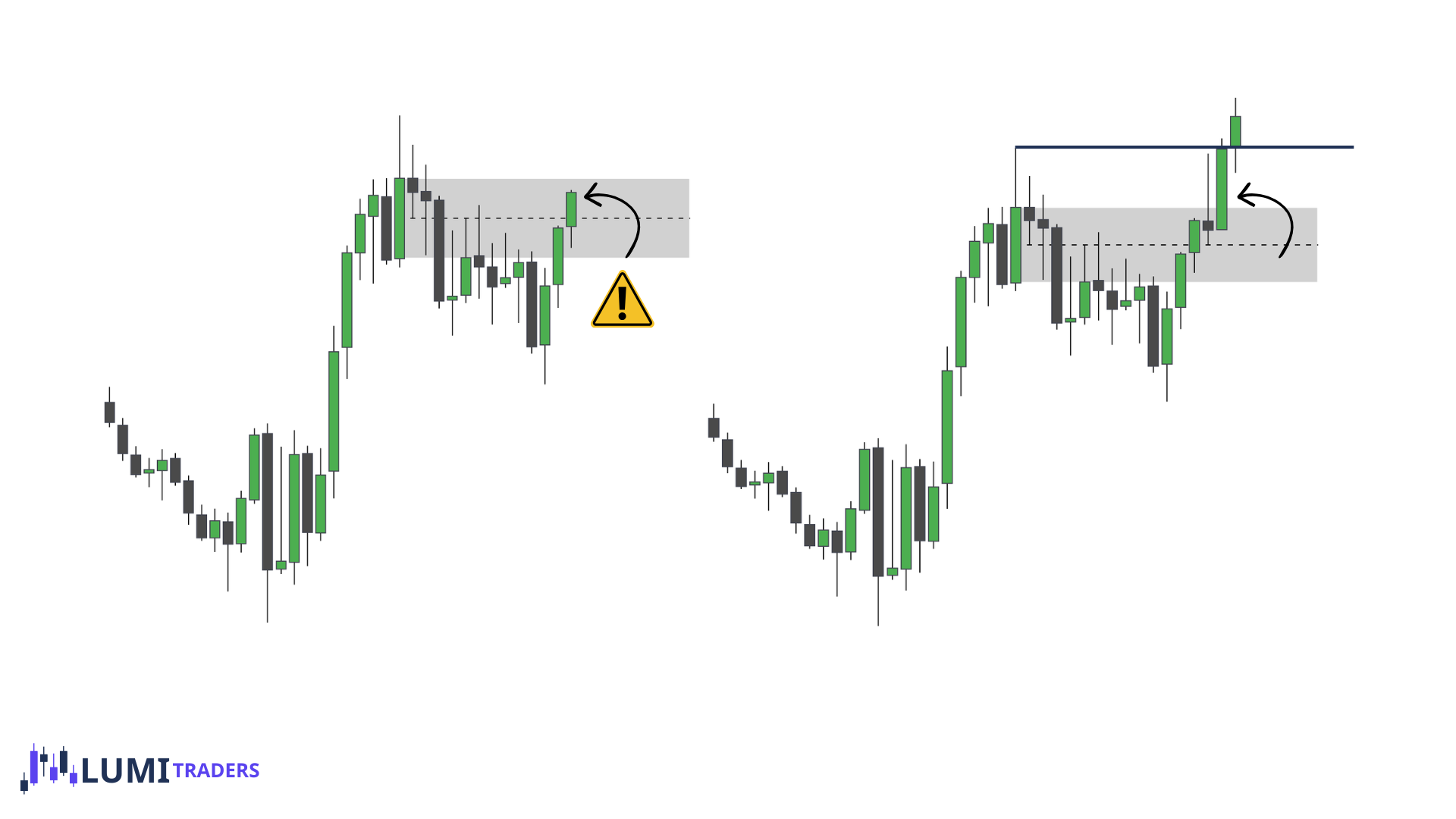
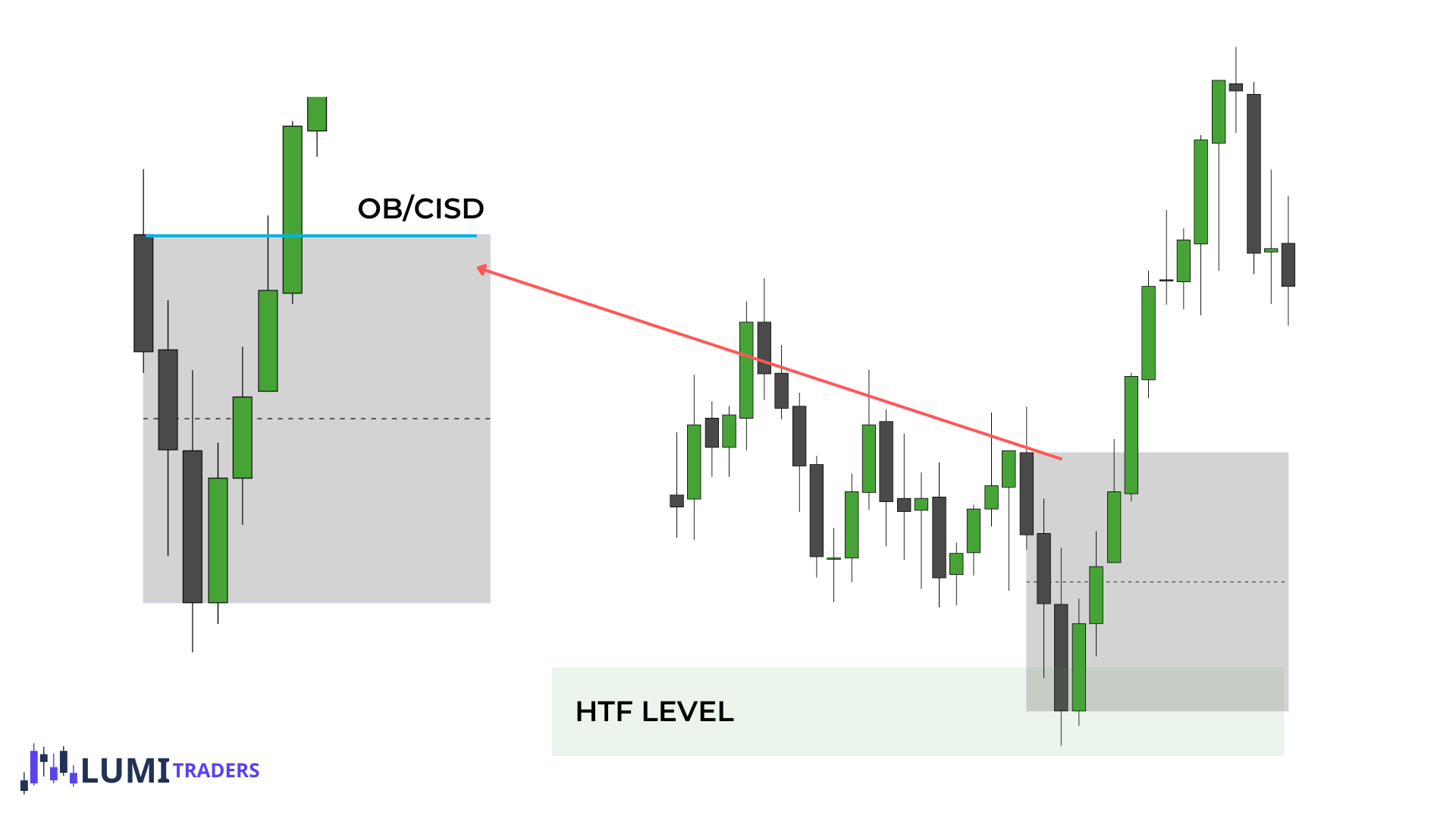
If price taps into an HTF level and an LTF OB forms, we want to see price stay below 50% of the OB in a bearish setup and above 50% of the OB in a bullish setup. That keeps the OB high probability.
Once price closes above or below the Mean Threshold, the OB has a higher chance of failing.
What is SMR? SMR - Smart Money Reversal - a transition from Sell Program to Buy Program and vice versa.
SMR:
HTF Level
LTF MSS / IFVG
LTF CISD
Example
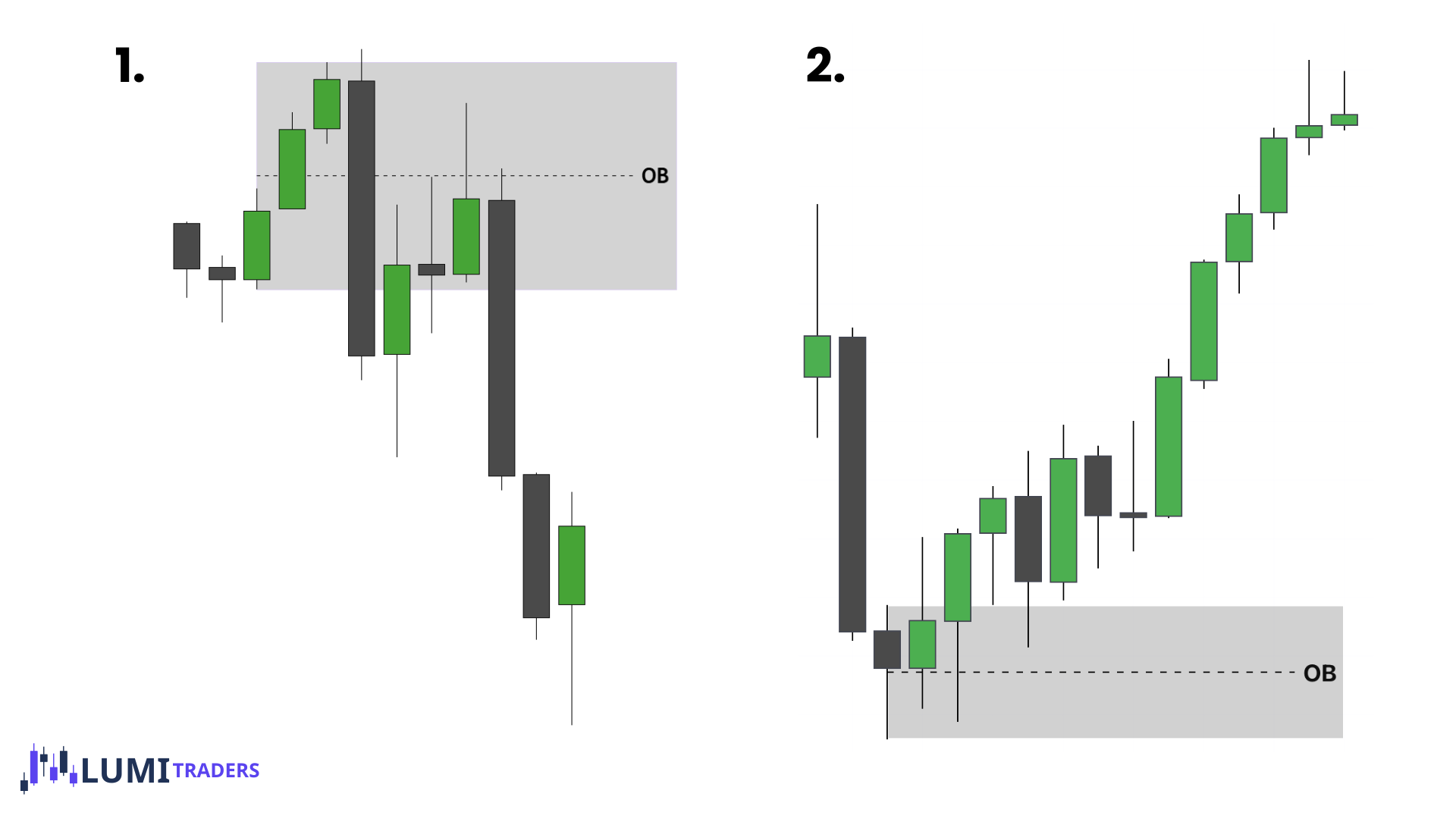
We have a sequence of consecutive up-close or down-close candles. Once price reaches a higher-timeframe level and reacts, we wait for a candle to close above the sequence of down-close candles or below the sequence of up-close candles. We then use that entire sequence as an order block.
Sometimes the candles have long wicks, making it difficult to use the entire candle range as an order block. In this case, we use only the bodies of the candles that form the sequence of consecutive up-close or down-close candles.
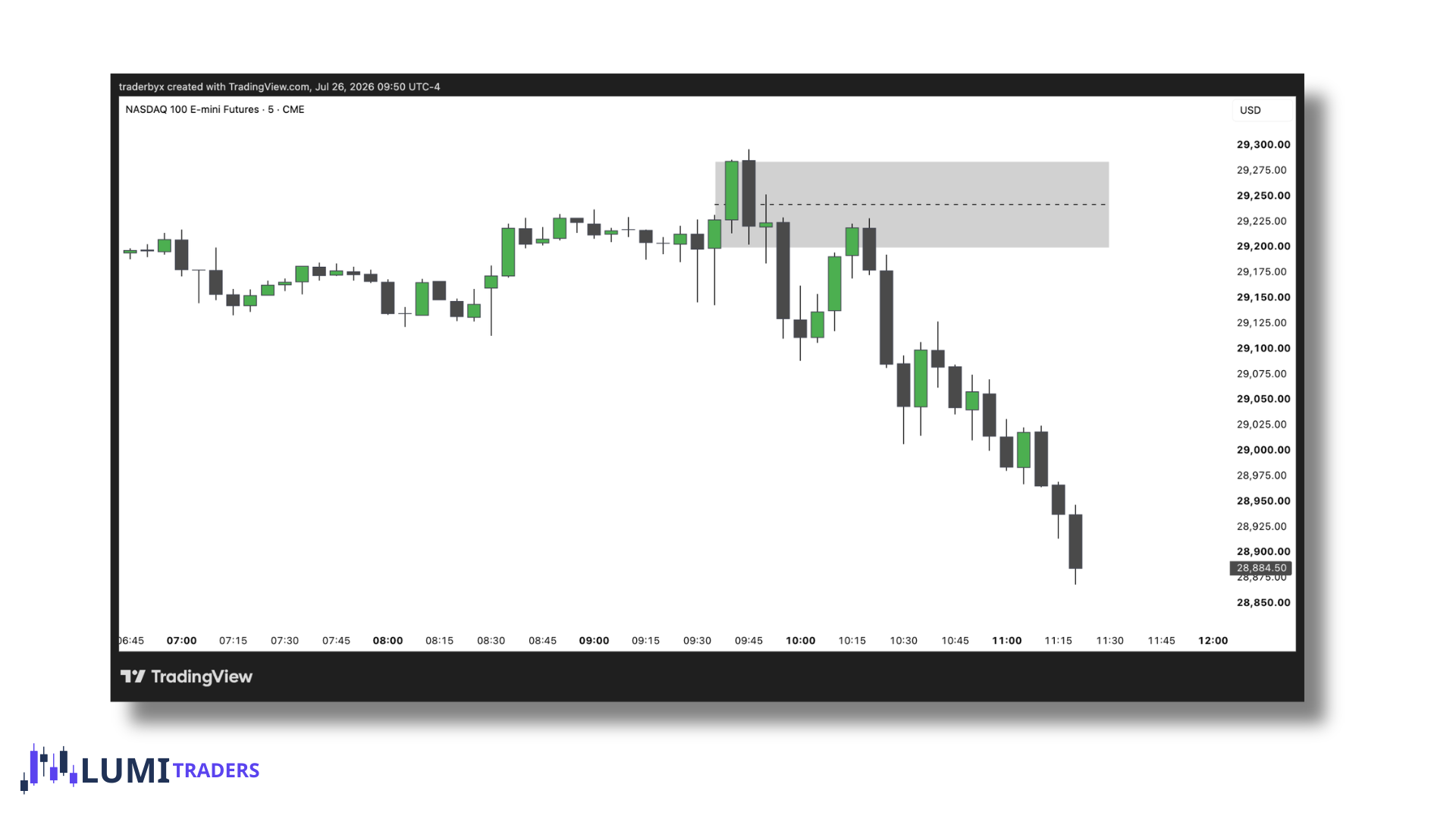
When the wicks are small, we can use the entire candle range - from the lowest wick to the highest wick - as our order block.
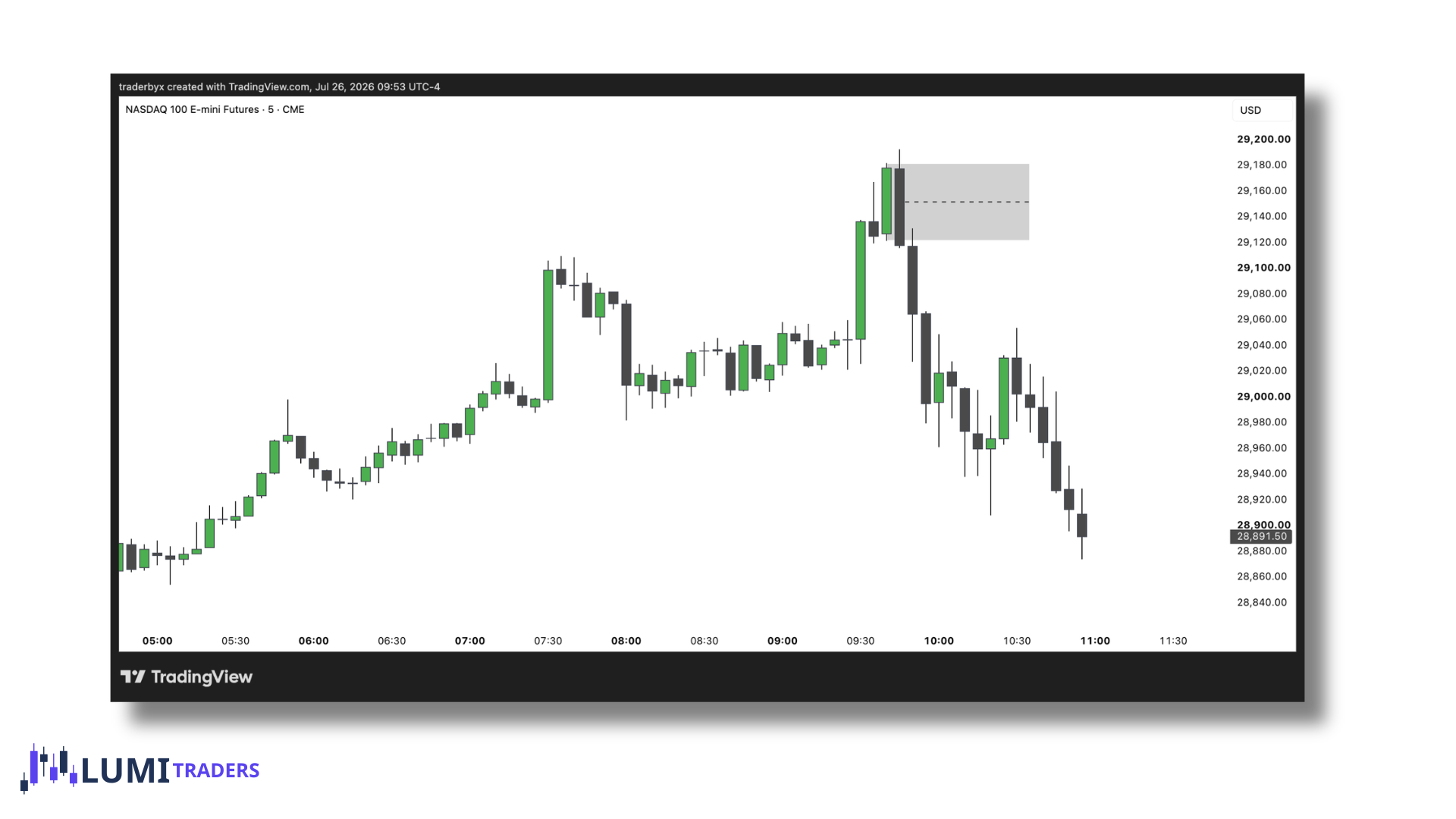
Example
The first candle in the sequence must be the candle that taps the higher-timeframe level.
Why is this important? When you review your charts, you may notice long sequences of consecutive up-close or down-close candles. Sometimes, this sequence covers an entire range, including both premium and discount. In that case, waiting for price to close above or below the entire sequence would not make sense because we would likely miss most of the move.
To avoid this, we only use the sequence that begins with the first candle that taps the higher-timeframe level. That candle marks the beginning of the order block sequence.
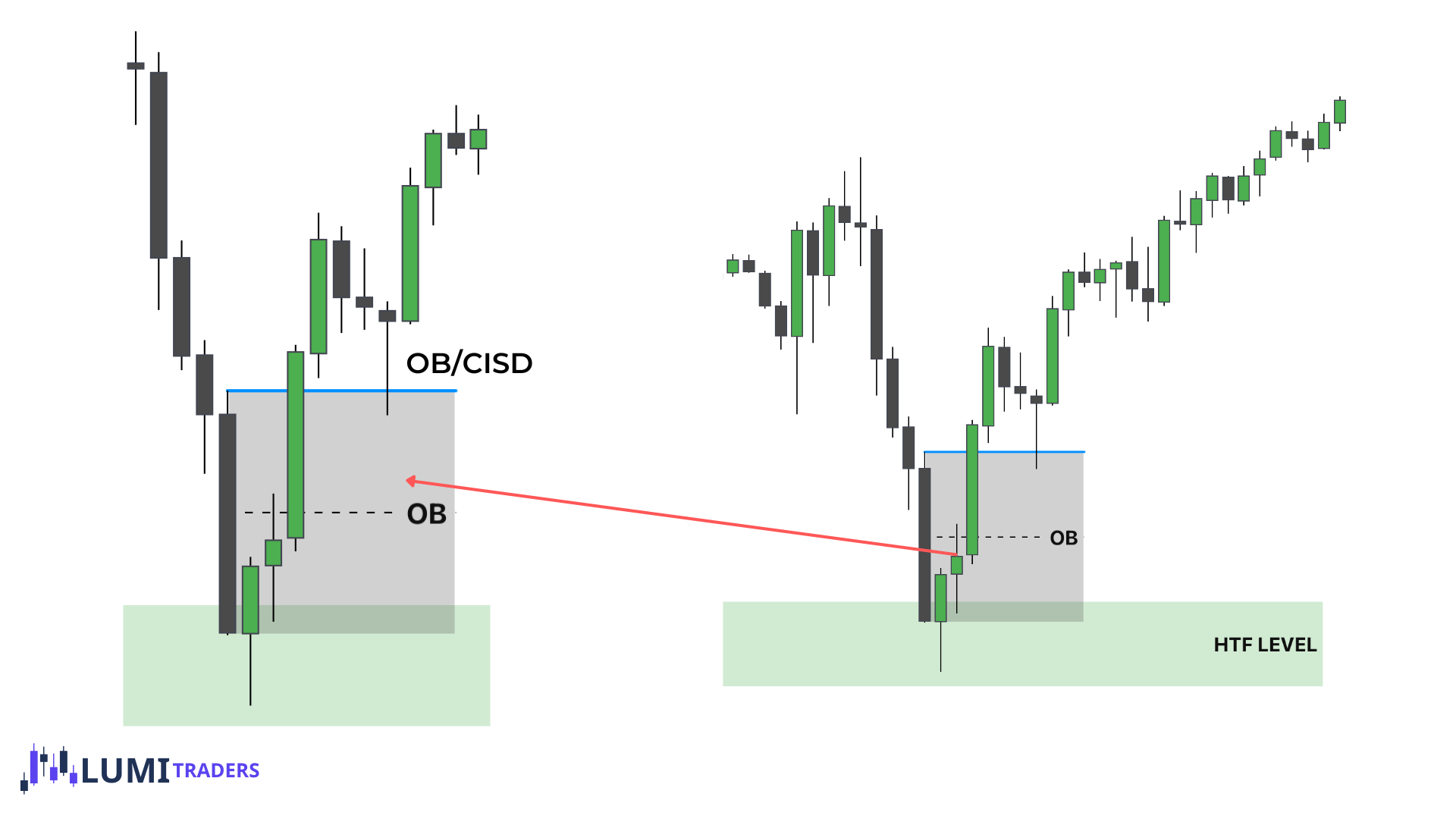
It does not matter when price retests the order block. The retest may happen immediately after the order block forms, two hours later, or even the next day. As long as price respects the 50% level of the order block, it remains a high-probability setup.
For a bullish order block, we do not want to see price close below its 50% level.
For a bearish order block, we do not want to see price close above its 50% level.
This is Rule #1.
An order block becomes invalid once price delivers a clear break or displacement beyond its 50% level.