Before you begin
What you’ll learn
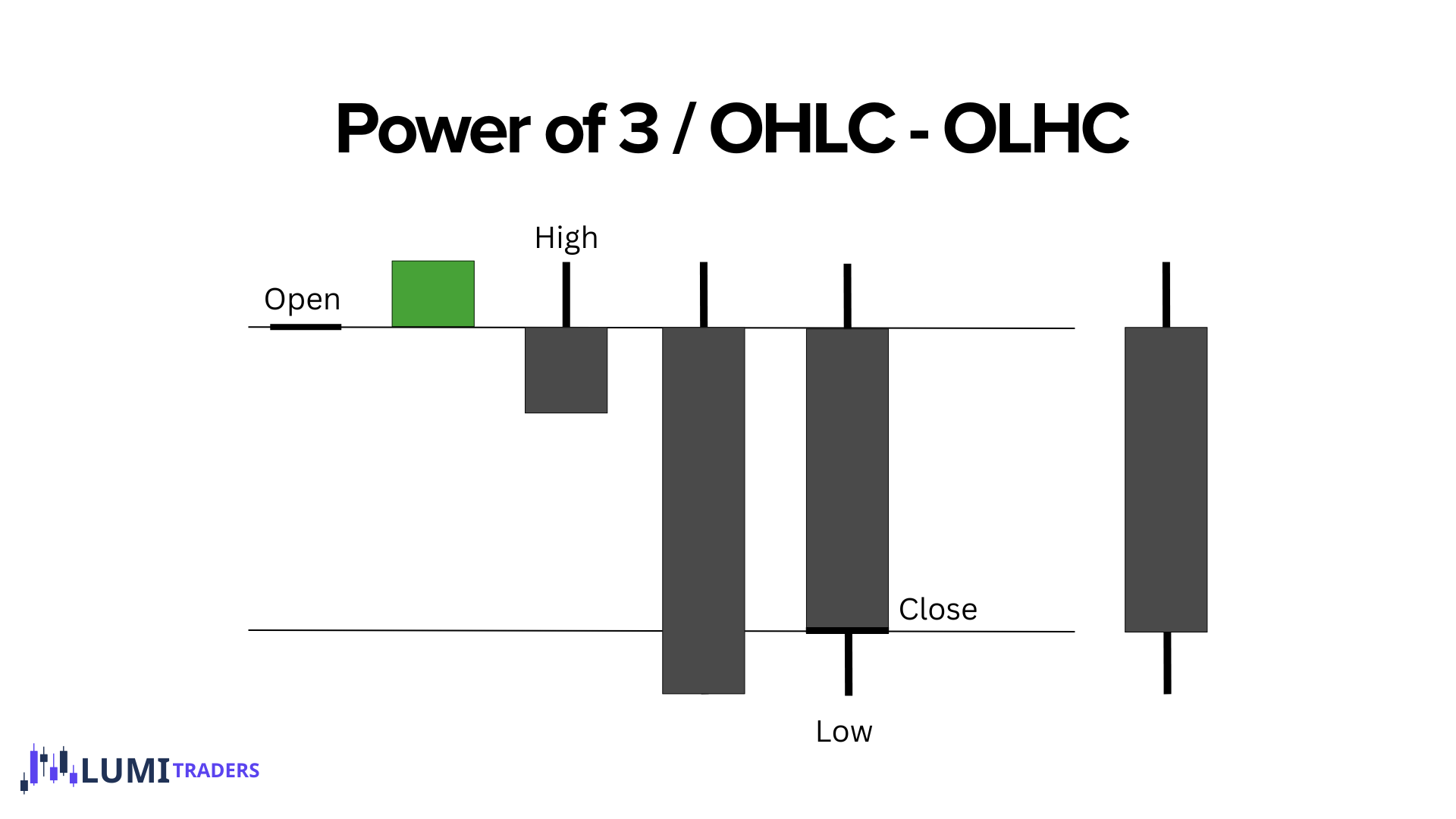
- Po3
- OB
The 10:00 AM Open and the 4-Hour Candle Playbook
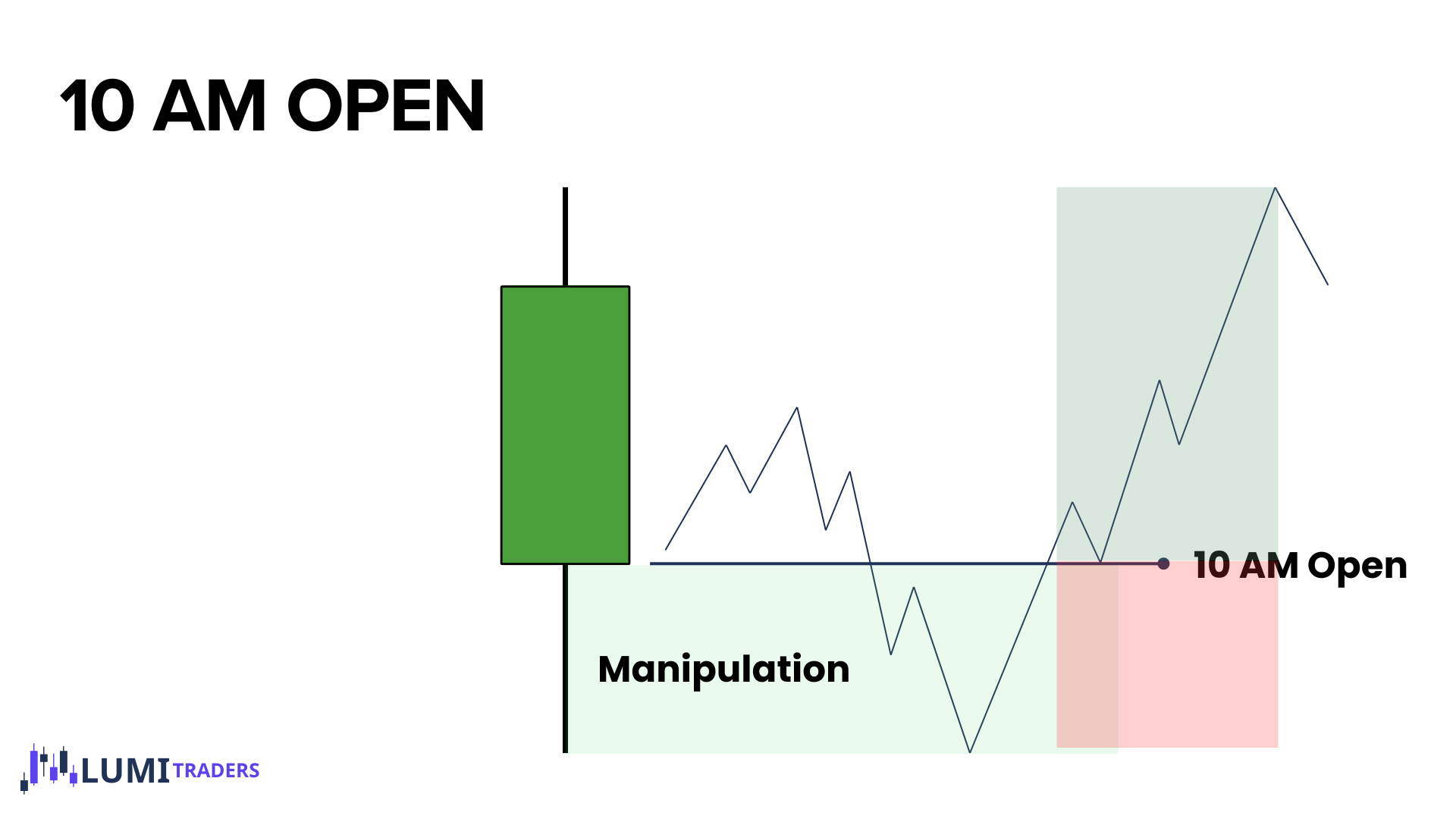
The 10:00 AM Open is important because it marks the beginning of a new 4-hour candle on our chart.
When the new 4-hour candle opens, we expect price to begin creating two important parts of the candle:
The manipulation wick
The candle body
The opening price remains fixed throughout the entire 4-hour period. Because of this, it gives us a clear reference for determining whether price is forming a bullish or bearish candle.
When price trades above the 10:00 AM Open, the 4-hour candle is forming a bullish body.
When price trades below the 10:00 AM Open, the 4-hour candle is forming a bearish body.
However, price may first trade on the opposite side of the open to create manipulation before the real candle-body formation begins.
Bullish 4-Hour Candle Formation
When we expect the new candle to form bullish, we anticipate an:
Open–Low–High–Close formation.
After the candle opens at 10:00 AM, price may initially trade below the 10:00 AM Open.
This move below the open may create:
The low of the 4-hour candle
A sell-side liquidity/HTF level
A retracement into a bullish PD Array
Manipulation before bullish body formation.
Once the manipulation is complete, price may reverse and break back above the 10:00 AM Open.
This break is important because it suggests that price may be transitioning from lower-wick formation into bullish candle-body formation.
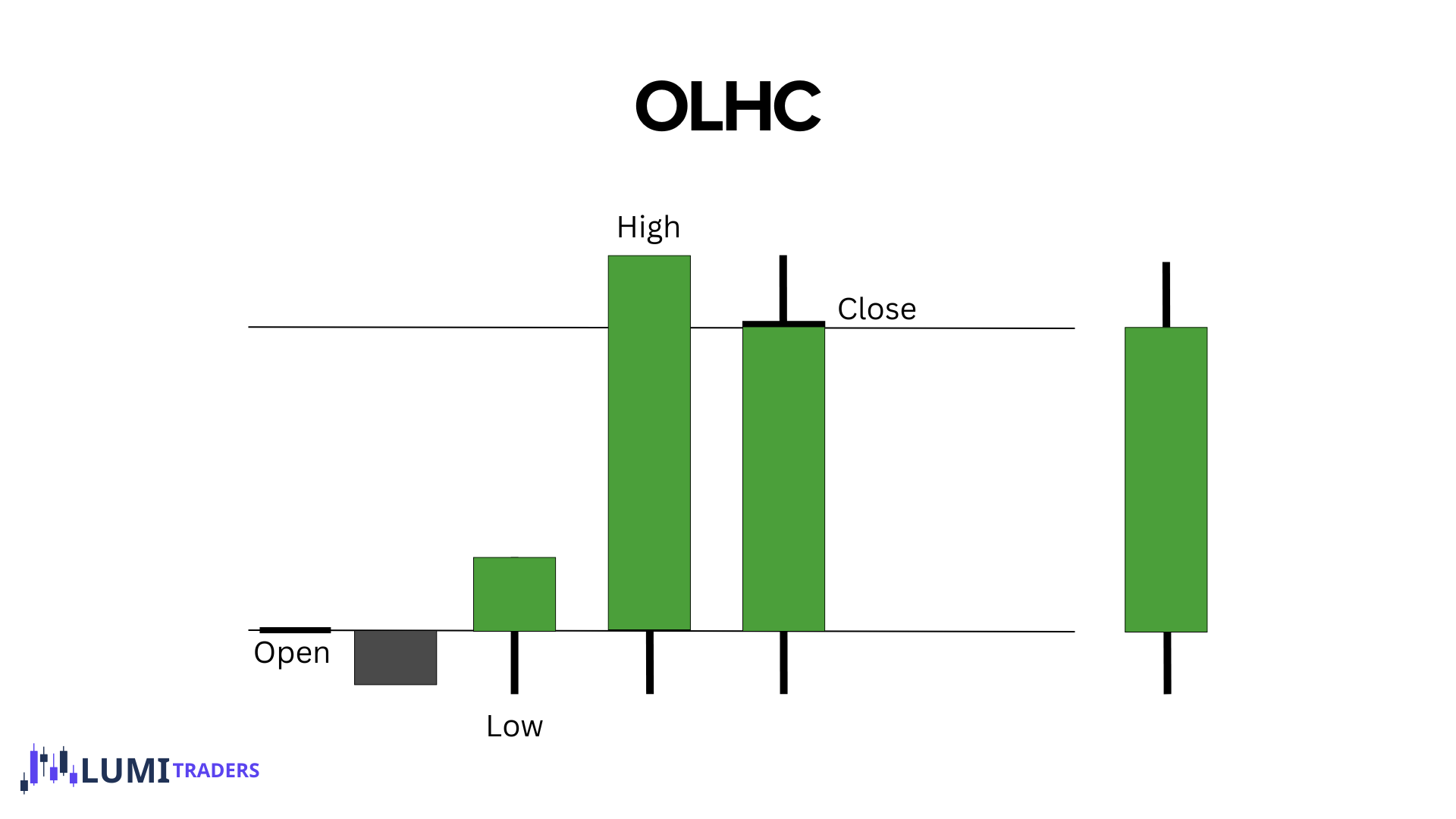
The bullish sequence is:
Manipulation below the open → break above the open → bullish body formation.
Bearish 4-Hour Candle Formation
When we expect the new 4-hour candle to form bearish, we anticipate an:
Open–High–Low–Close formation.
After the candle opens at 10:00 AM, price may initially trade above the 10:00 AM Open.
This move above the open may create:
The high of the 4-hour candle
A buy-side liquidity/HTF level
A retracement into a bearish PD Array
Manipulation before bearish body formation
Once manipulation is complete, price may reverse and break below the 10:00 AM Open.
This break suggests that price may be transitioning from upper-wick formation into bearish candle-body formation.
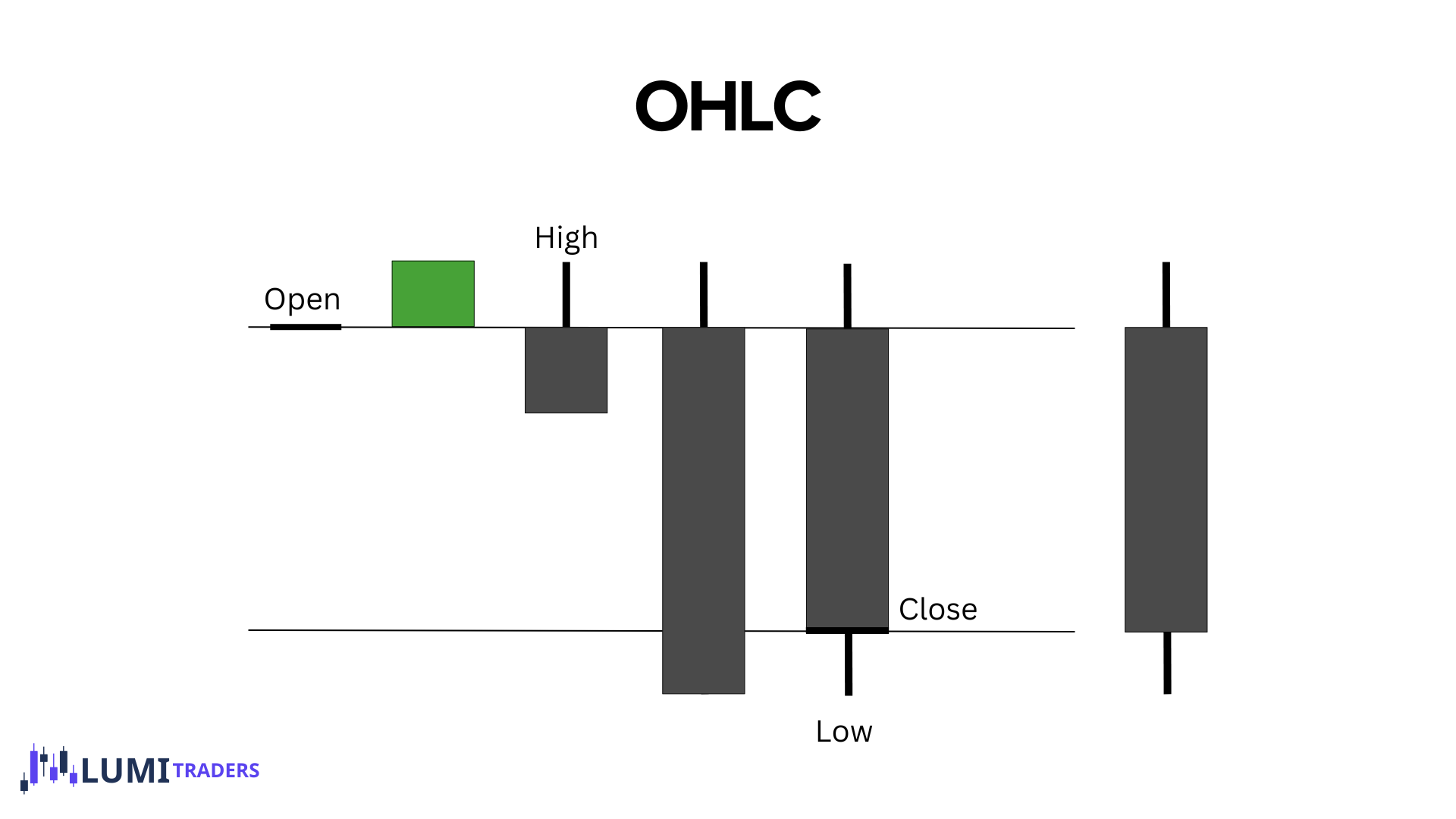
The bearish sequence is:
Manipulation above the open → break below the open → bearish body formation.
Why We Look for Longs Above the 10:00 AM Open
We look for long trades above the 10:00 AM Open because price must trade above the opening price to form the body of a bullish 4-hour candle.
While price remains below the open, we do not yet have confirmation that the 4-hour candle is bullish.
The move below the open could be:
The lower wick of a bullish candle.
Sell-side manipulation.
Genuine bearish distribution.
We cannot know which one it is simply because price traded below the open.
When price creates bullish displacement and breaks above the 10:00 AM Open, it gives us evidence that the move below the open may have been manipulation.
Price may now be beginning the bullish body formation of the 4-hour candle.
This is why we do not blindly buy while price is below the 10:00 AM Open.
We wait for price to prove that it can reclaim the opening price and begin building a candle body above it.
A bullish setup becomes stronger when:
Sell-side liquidity was taken below the open.
Price reached a bullish higher-timeframe PD Array.
Bullish displacement formed.
A relevant short-term high was broken (optional).
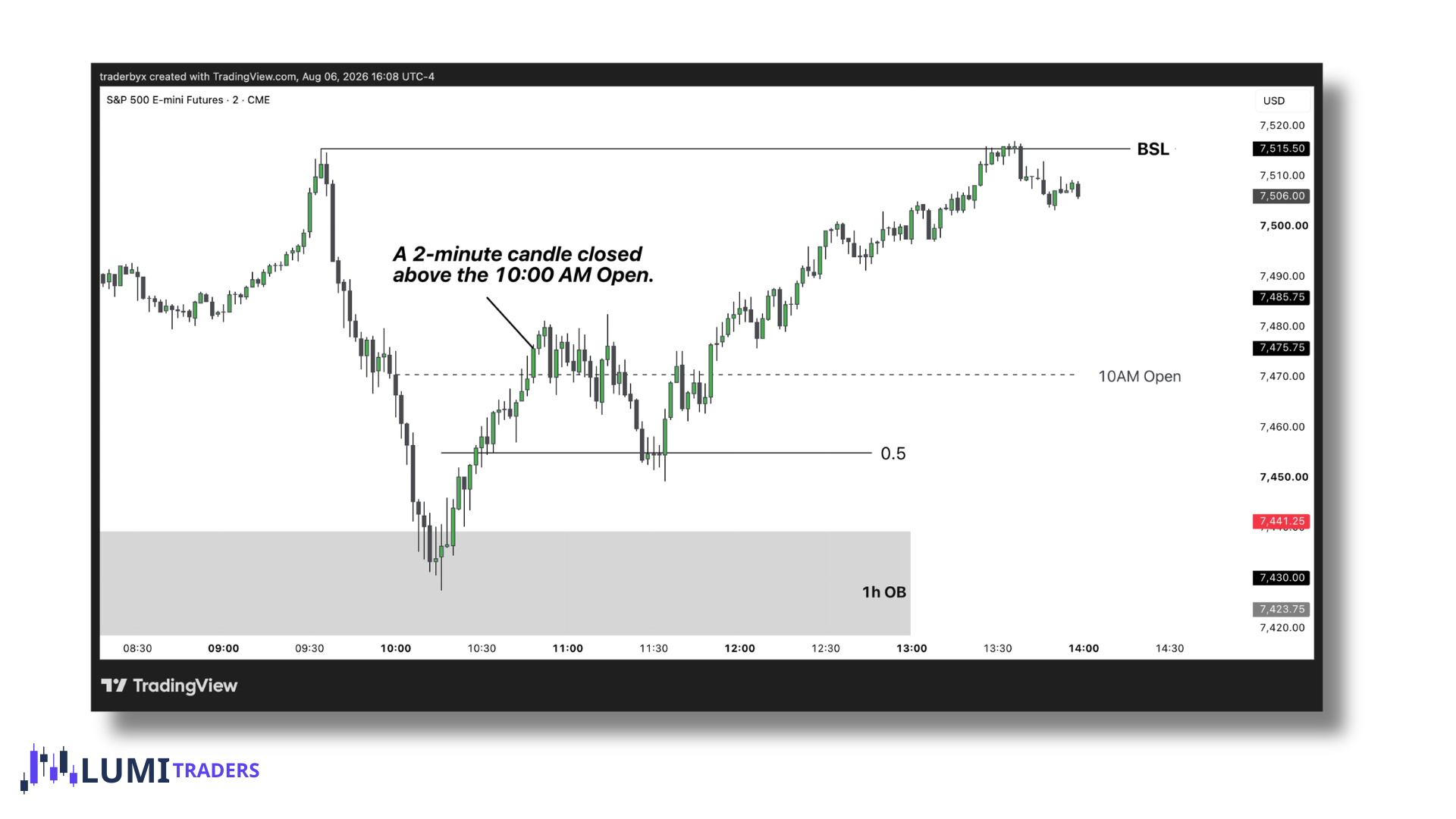
A 2-minute candle closed above the 10:00 AM Open.
Price remained above the open during a retracement.
Buy-side liquidity remained available as the target.
The move below the open may create the low.
The break above the open may begin bullish distribution.
Why We Look for Shorts Below the 10:00 AM Open
We look for short trades below the 10:00 AM Open because price must trade below the opening price to form the body of a bearish 4-hour candle.
While price remains above the open, we do not yet have confirmation that the 4-hour candle is bearish.
The move above the open could be:
The upper wick of a bearish candle.
Buy-side manipulation.
Genuine bullish distribution.
When price creates bearish displacement and breaks below the 10:00 AM Open, it gives us evidence that the move above the open may have been manipulation.
Price may now be beginning bearish body formation.
This is why we do not blindly sell while price is still above the 10:00 AM Open.
We wait for price to prove that it can move below the opening price and begin building the 4-hour candle body beneath it.
A bearish setup becomes stronger when:
Buy-side liquidity was taken above the open.
Price reached a bearish higher-timeframe PD Array.
Bearish displacement formed.
A relevant short-term low was broken.
A 2-minute candle closed below the 10:00 AM Open.
Price remained below the open during a retracement.
Sell-side liquidity remained available as the target.
The move above the open may create the high.
The break below the open may begin bearish distribution.
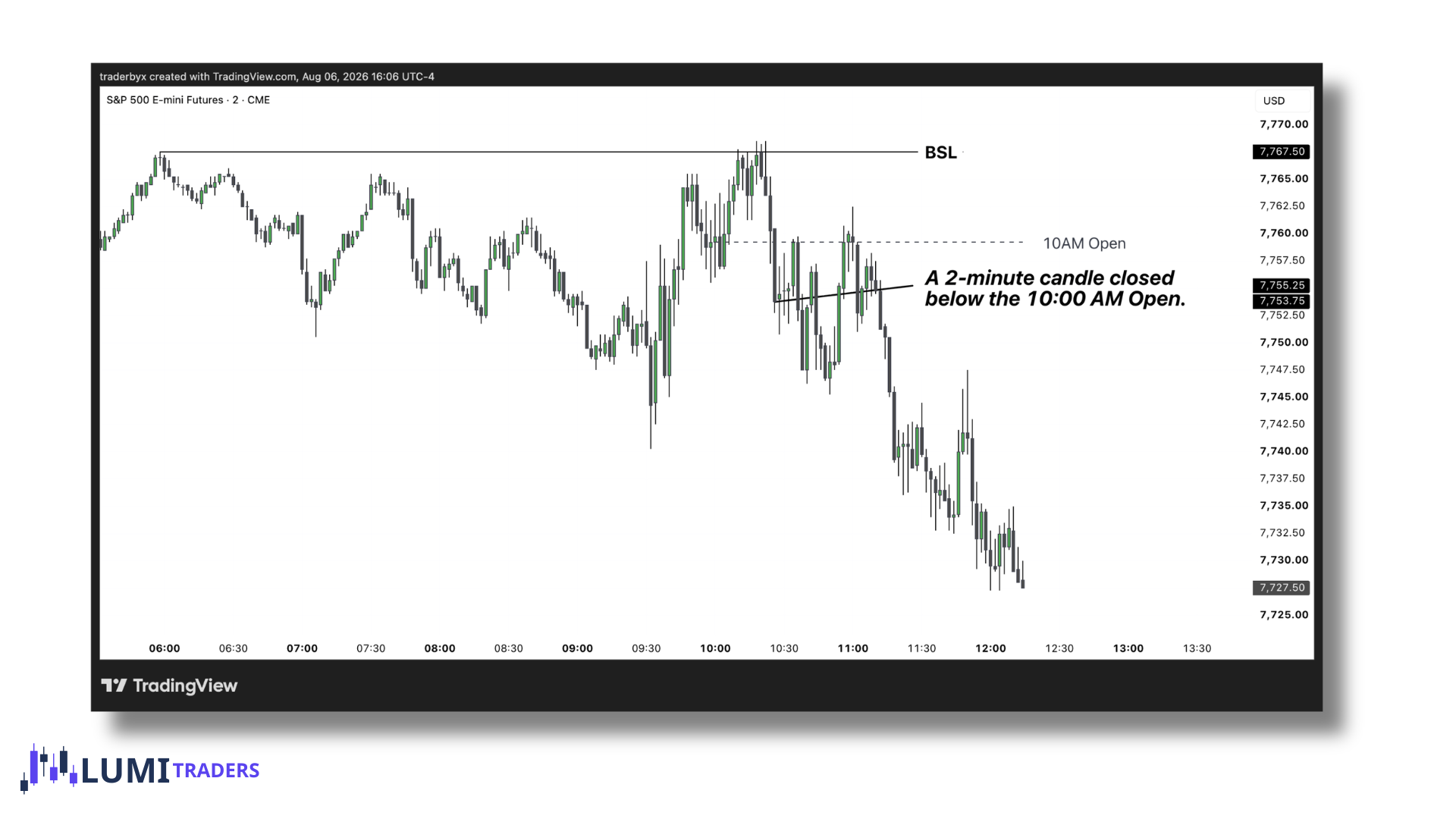
The 10:00 AM Open Is a Directional Filter
The 10:00 AM Open is not an automatic entry level.
It is a directional filter that helps us align our lower-timeframe trade with the body formation of the new 4-hour candle.
Our basic rule is:
Look for long setups after price breaks and closes above the 10:00 AM Open.
Look for short setups after price breaks and closes below the 10:00 AM Open.
This rule prevents us from trying to predict the reversal too early.
Instead of buying below the open while price may still be bearish, we wait for bullish confirmation above it.
Instead of selling above the open while price may still be bullish, we wait for bearish confirmation below it.
We sacrifice the exact top or bottom in exchange for confirmation.
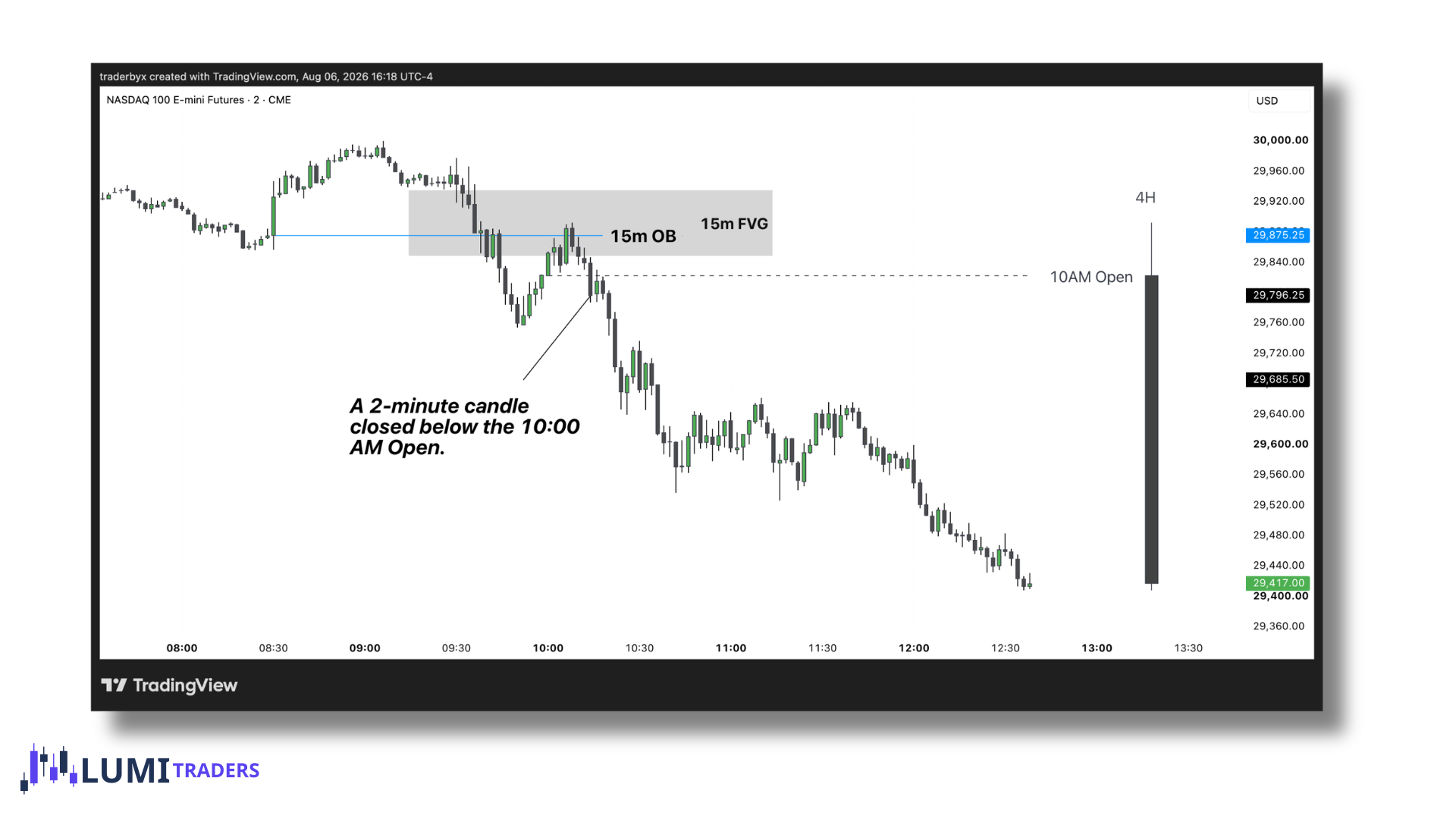
A Wick Through the Open Is Not Enough
Price may cross the 10:00 AM Open several times while accumulating.
A small wick above or below the open does not confirm body formation.
For bullish confirmation, we ideally want:
Bullish displacement through the open.
A 2-minute candle-body closure above the open.
A bullish FVG or order block
Price holding above the open during a retracement.
For bearish confirmation, we ideally want:
Bearish displacement through the open.
A 2-minute candle-body closure below the open.
A bearish FVG or order block.
Price remaining below the open during a retracement.
The goal is not simply to see price cross the level.
The goal is to see a signature and body formation on one side of the open.
Using the 2-Minute Chart
The 4-hour candle provides the narrative.
The 10:00 AM Open provides the directional filter.
The 2-minute chart provides the execution.
We are not using the 2-minute chart to create our higher-timeframe bias.
We use it to find a precise entry after the 4-hour candle begins showing its intended body formation.
The correct sequence is:
Understand the higher-timeframe objective.
Mark the 10:00 AM Open.
Observe the manipulation around the open.
Wait for price to break to the correct side.
Use the 2-minute chart to find the entry model.
Do not reverse this process.
A random 2-minute signal without a clear 4-hour candle narrative has less meaning.
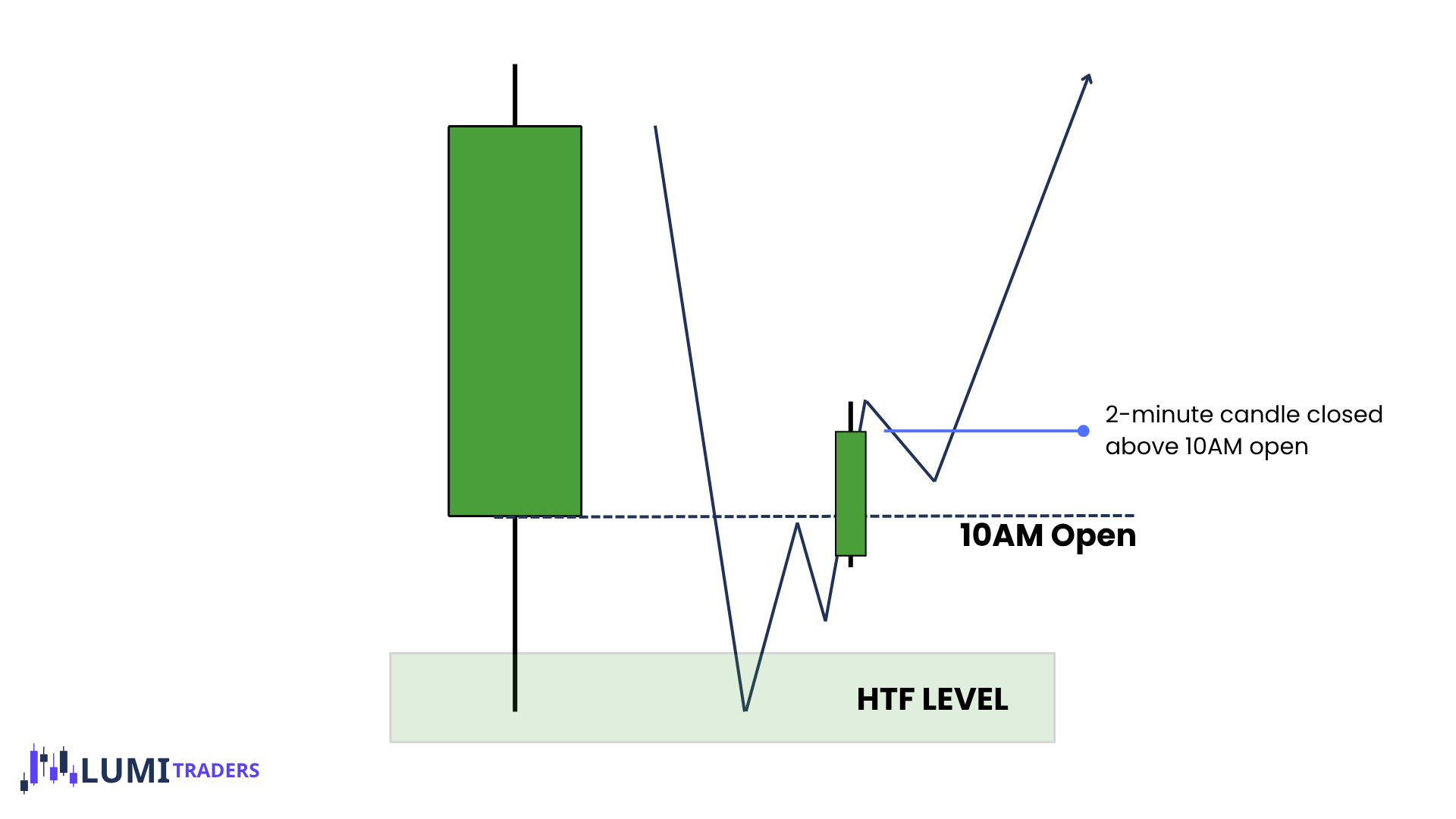
Bullish 2-Minute Playbook
Narrative
We expect the new 4-hour candle to form bullish.
Our anticipated formation is:
Open–Low–High–Close
Price may manipulate below the 10:00 AM Open, create the candle low, and then break above the open to begin bullish body formation.
Conditions
Before considering a long, we want to see:
A bullish higher-timeframe objective.
Buy-side liquidity available above price.
Price trading below or around the 10:00 AM Open.
Sell-side liquidity taken below the open.
A reaction from a bullish PD Array, discount area, or relevant support.
Bullish displacement on the 2-minute chart.
A break and candle-body close above the 10:00 AM Open.
A bullish entry array forming above or near the open.
Entry
After price closes above the 10:00 AM Open, wait for a retracement into one of the following:
2-minute bullish order block.
2-minute bullish fair value gap.
2-minute breaker.
OTE retracement
A combination of the opening price and a bullish PD Array.
Enter only if price continues respecting the 10:00 AM Open or quickly reclaims it after a shallow retest.
Stop Loss
Place the stop below the level that invalidates the bullish narrative.
This may be:
Below the 2-minute protected low.
Below the nearest swing low.
Below the bullish order block.
Below the swing that created displacement.
Do not automatically place the stop one tick below the 10:00 AM Open.
The open is the directional filter, not necessarily the invalidation point.
Targets
Potential bullish targets include:
A short-term 2-minute swing high.
The morning high.
The London/Asia high.
Premarket buy-side liquidity.
The previous day high.
Equal highs.
A higher-timeframe bearish PD Array.
External buy-side liquidity.
The final target should be based on the higher-timeframe draw on liquidity.
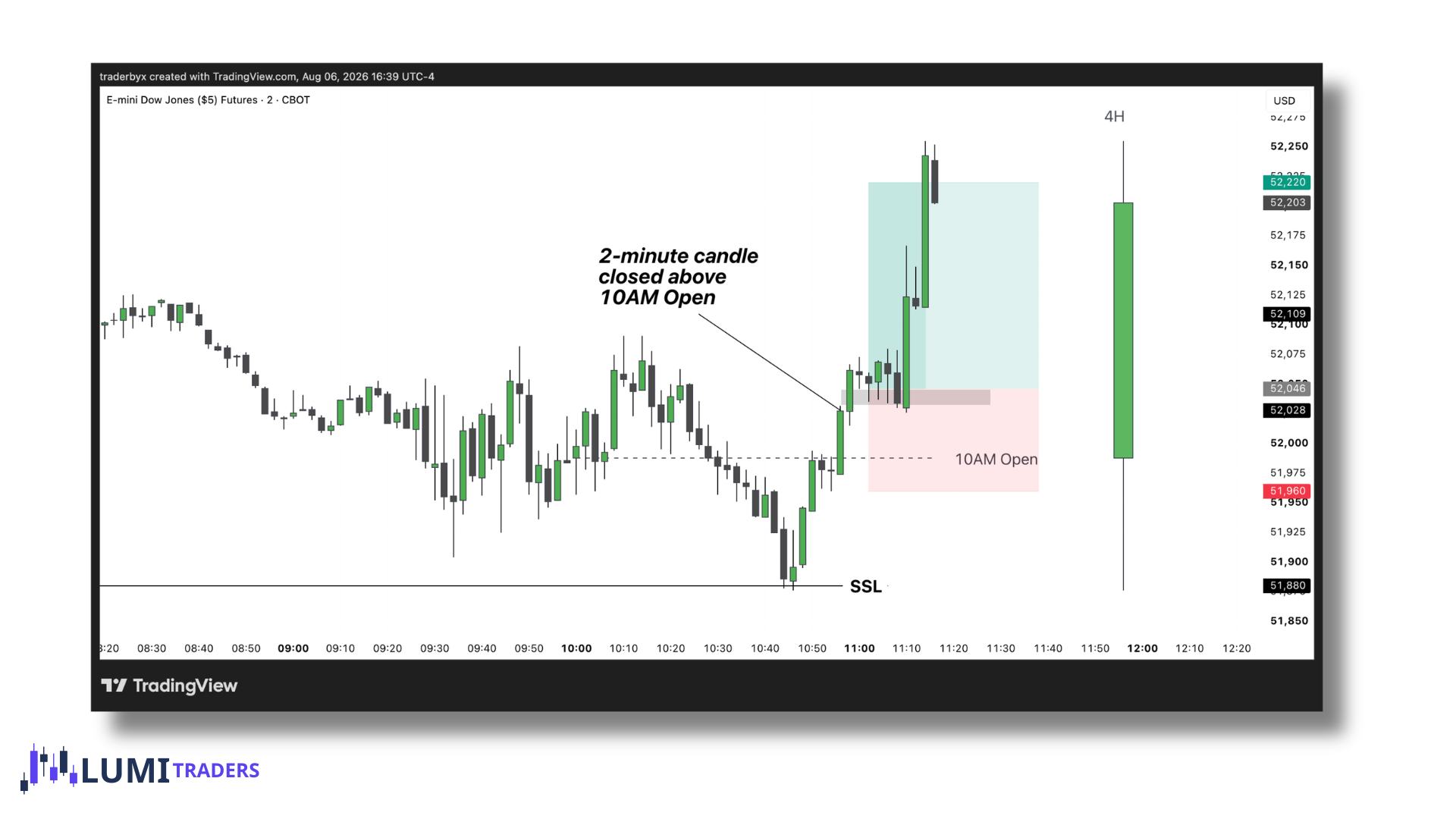
Bearish 2-Minute Playbook
Narrative
We expect the new 4-hour candle to form bearish.
Our anticipated formation is:
Open–High–Low–Close
Price may manipulate above the 10:00 AM Open, create the candle high, and then break below the open to begin bearish body formation.
Conditions
Before considering a short, we want to see:
A bearish higher-timeframe objective.
Sell-side liquidity available below price.
Price trading above or around the 10:00 AM Open.
Buy-side liquidity taken above the open.
A reaction from a bearish PD Array, premium area, or relevant resistance.
Bearish displacement on the 2-minute chart.
A break and candle-body close below the 10:00 AM Open.
A bearish entry array forming below or near the open.
Entry
After price closes below the 10:00 AM Open, wait for a retracement into one of the following:
2-minute bearish order block.
2-minute bearish fair value gap.
2-minute breaker.
OTE retracement
A combination of the opening price and a bearish PD Array.
Enter only if price continues respecting the 10:00 AM Open as resistance or quickly rejects it after a retest.
Stop Loss
Place the stop above the level that invalidates the bearish narrative.
This may be:
Above the 2-minute protected high.
Above the nearest swing high.
Above the bearish order block.
Above the swing that created displacement.
Do not use the 10:00 AM Open as the stop simply because it is the reference level.
Targets
Potential bearish targets include:
A short-term 2-minute swing low.
The morning low.
The London/Asia low.
Premarket sell-side liquidity.
The previous day low.
Equal lows.
A higher-timeframe bullish PD Array.
External sell-side liquidity.
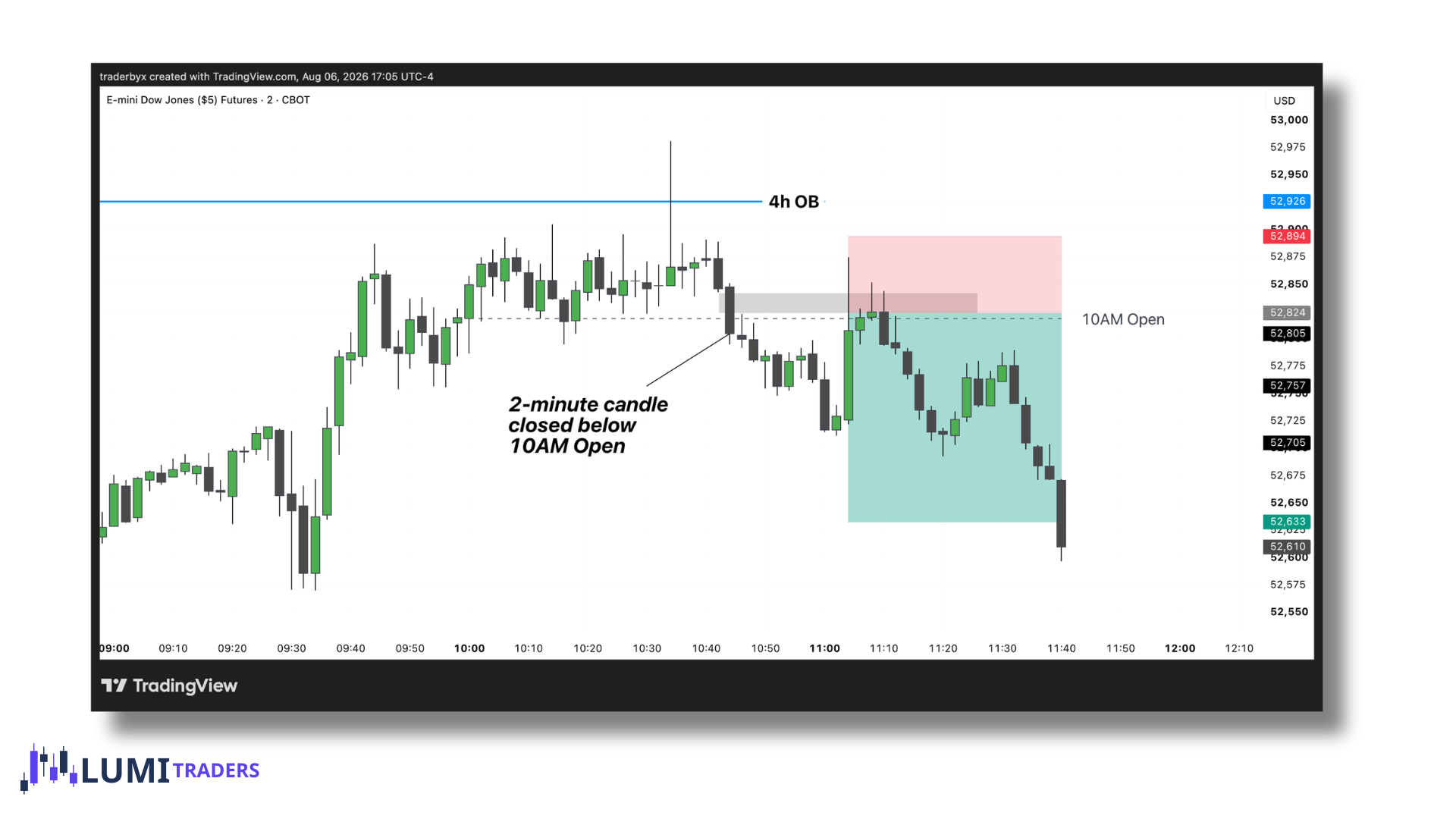
10:00 AM Open: Reversal Setup vs. 4-Hour Continuation Setup
When this candle opens, there are two main formations we want to understand:
A 4-hour reversal setup.
A 4-hour continuation setup.
This distinction is extremely important.
Many traders expect every new 4-hour candle to create a large manipulation around its opening price.
That is not always the case.
Sometimes the new 4-hour candle needs to create manipulation before distribution begins.
Other times, the manipulation has already happened during the previous candle, and the new 4-hour candle is ready to continue delivering immediately.
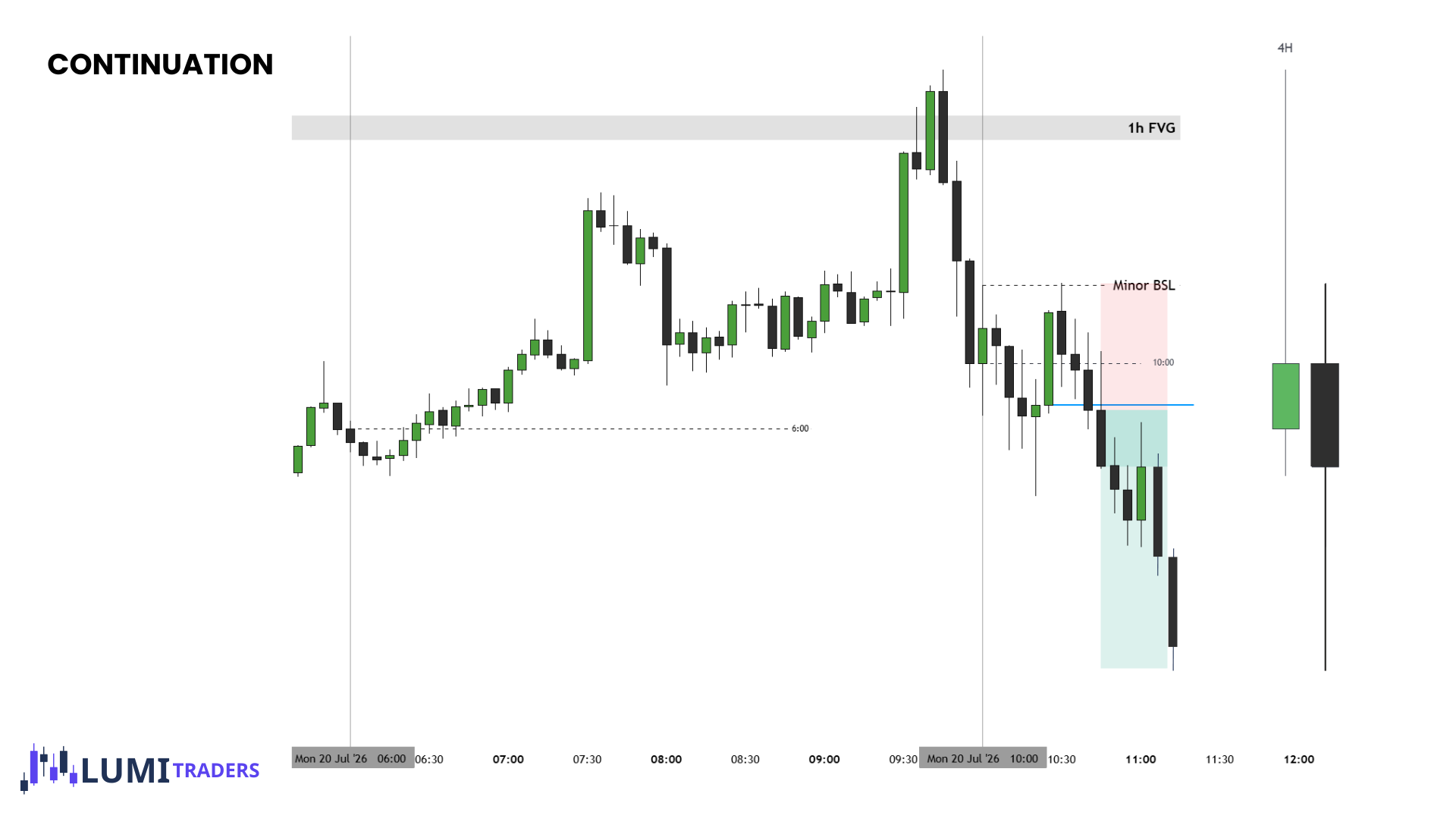
Why the 10:00 AM Open May Not Retest Deeply During Continuation
During continuation, the market already has direction.
The new candle does not need to search deeply for liquidity before expanding.
Therefore, waiting for price to return perfectly to the 10:00 AM Open may cause you to miss the trade.
The open may only create:
A small wick.
A shallow retracement.
A brief 2-minute pullback.
A small FVG or order block near the opening price.
Then price continues aggressively.
This is why continuation setups often look different from reversal setups.
In a reversal, we expect more manipulation.
In continuation, we expect more immediate body formation.
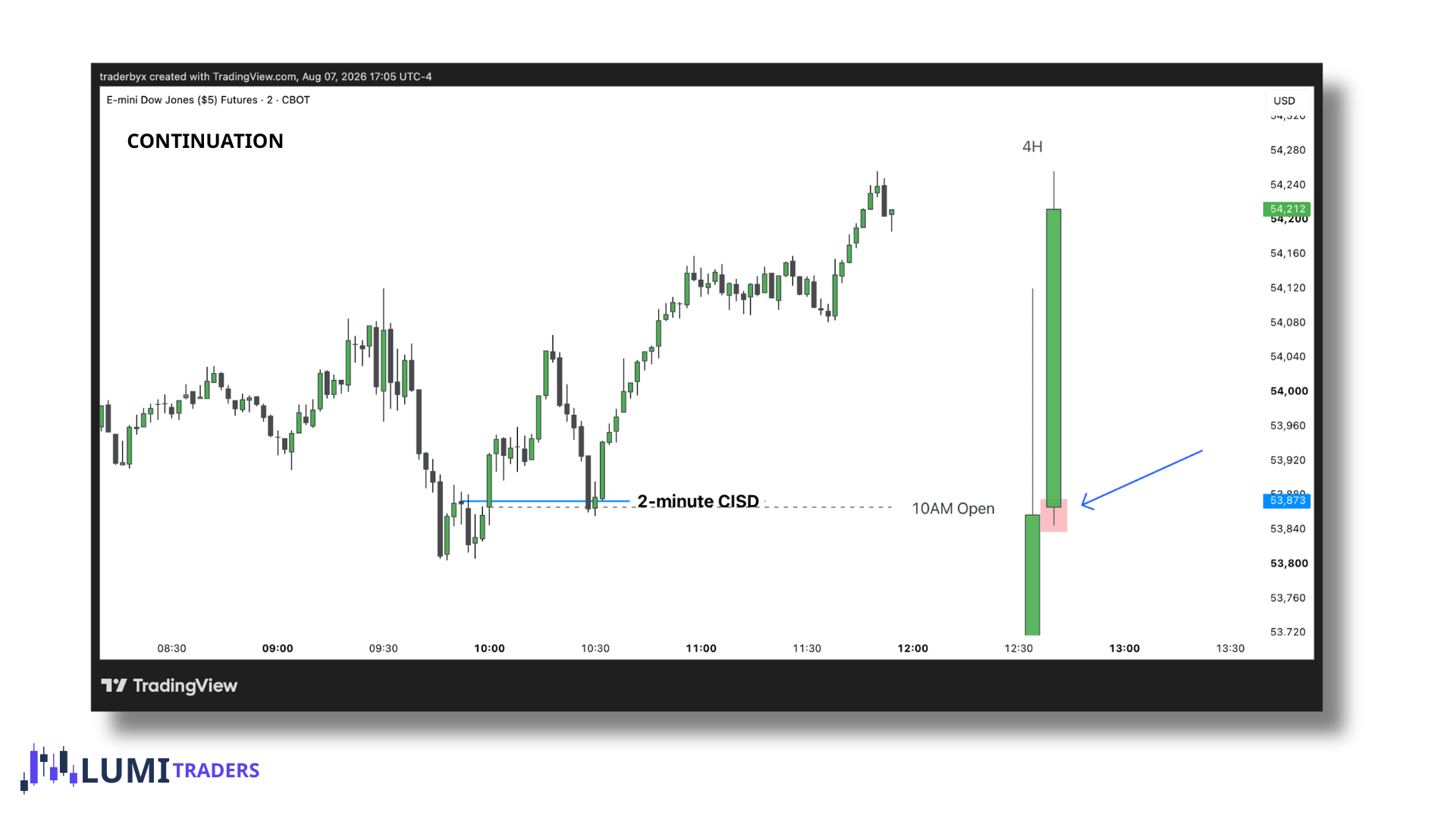
Reversal vs. Continuation Around the 10:00 AM Open
The easiest way to separate the two setups is by asking:
Has manipulation already happened?
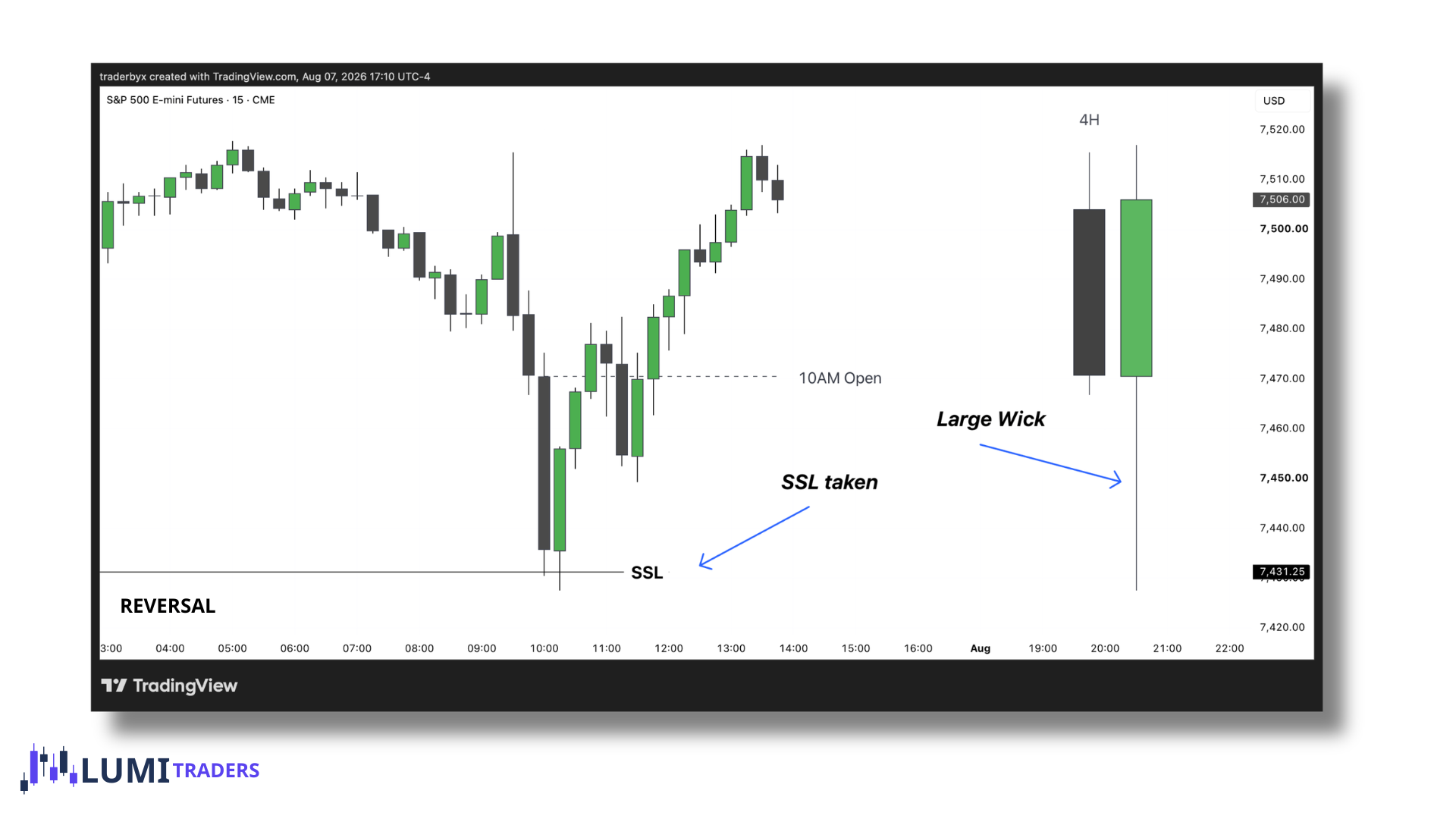
Reversal Setup
Manipulation still needs to happen.
Expect:
A more visible wick.
Liquidity/HTF level taken around or after the new 4-hour open.
A stronger reversal through the opening price.
A more meaningful retest of the open.
Bullish:
Manipulation below → reclaim open → long
Bearish:
Manipulation above → lose open → short
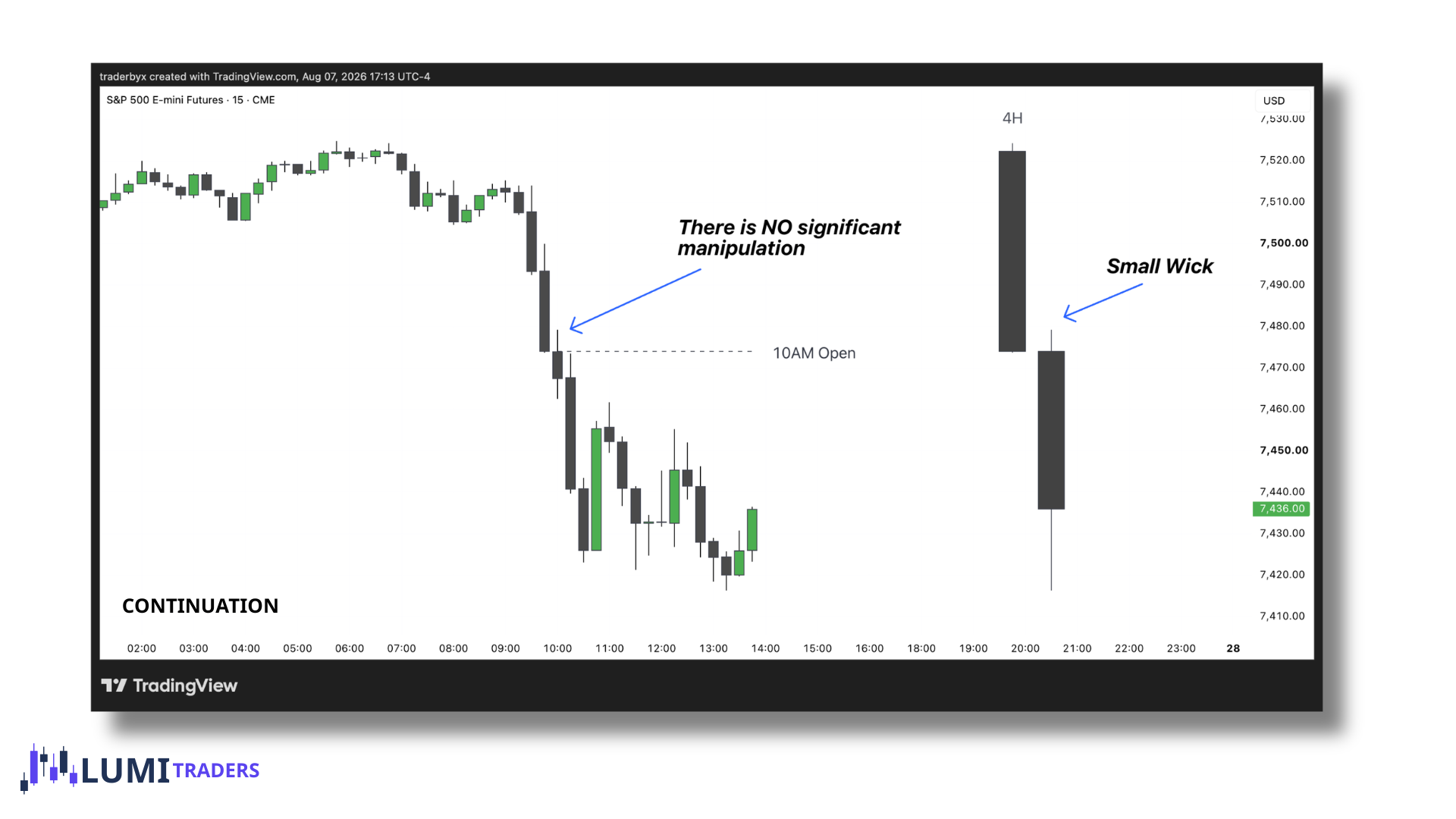
Continuation Setup
Manipulation already happened before 10:00 AM.
Expect:
A small wick.
Limited retracement.
A large candle body.
Strong continuation toward the existing draw.
A strong 4-hour continuation candle often has:
A small wick against the direction of the move.
A large candle body.
Strong displacement.
Little overlap with previous lower-timeframe candles.
Multiple lower-timeframe FVGs.
Shallow retracements.
A clear liquidity objective still open.
This is exactly why waiting for a deep pullback can be a mistake.
The candle is not trying to reverse.
It is trying to continue delivering.
Bullish:
Small wick below → hold above open → large bullish body
Bearish:
Small wick above → hold below open → large bearish body
Why We Still Want Longs Above and Shorts Below the Open
The rule remains the same.
For a bullish continuation setup, we still want to trade long while price is accepting above the 10:00 AM Open.
For a bearish continuation setup, we still want to trade short while price is accepting below the 10:00 AM Open.
The difference is the type of retracement we expect.
During a reversal setup, price may provide a deeper retracement around the opening price.
During a continuation setup, the retracement may be extremely shallow.
This is why we should not blindly wait for the 10:00 AM Open to be retested.
The open is primarily a directional reference.
It tells us which side of the 4-hour candle body is developing.
Practical Rule
At 10:00 AM, ask:
Did manipulation already happen before this candle opened?
If no:
Expect the new 4-hour candle to create manipulation first.
Use the reversal playbook.
If yes:
Expect a small wick and strong body formation.
Use the continuation playbook.
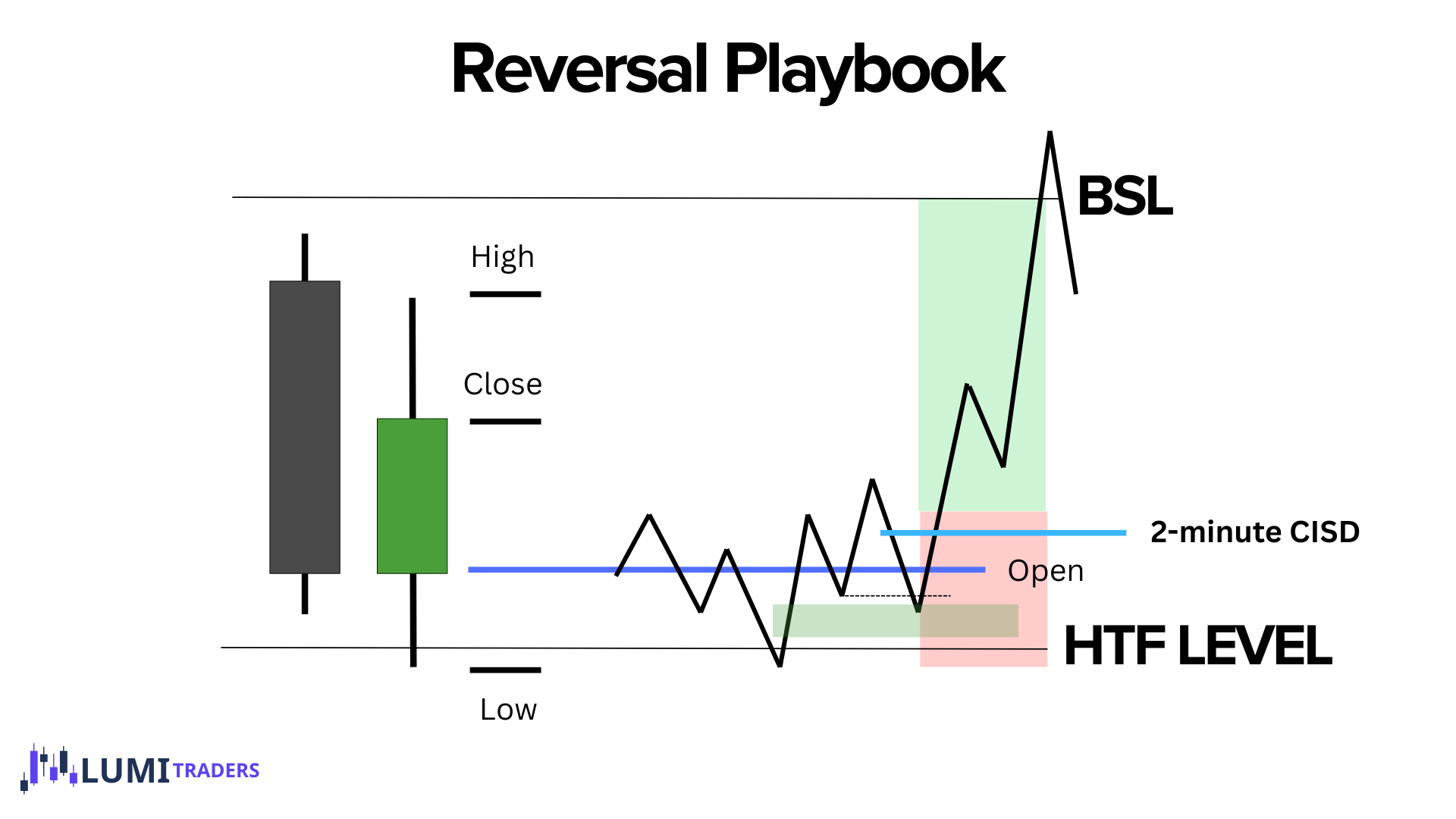
Reversal Playbook
Use this playbook when manipulation has not yet been completed before 10:00 AM.
We expect a more significant move to the opposite side of the 10:00 AM Open.
Bullish Reversal Playbook
We expect the 4-hour candle to form:
Open → Low → High → Close
Step 1 — Establish the Higher-Timeframe Draw
We first need a reason to expect price higher.
Look for:
Buy-side liquidity above.
An untapped higher-timeframe bearish PD Array as the target.
Previous day high.
Equal highs.
Session high.
External liquidity.
The higher-timeframe draw should be above price.
Step 2 — Let Price Manipulate Below the 10:00 AM Open
After the 4-hour candle opens, allow price to trade below the open.
Do not immediately buy just because price is below the level.
We want that move lower to accomplish something.
Ideally, it takes:
Internal sell-side liquidity.
A 2-minute swing low.
Session liquidity.
Equal lows.
Another meaningful SSL/PDA level.
It may also retrace into:
Bullish FVG.
Bullish order block.
Discount.
Another higher-timeframe bullish PD Array.
This move may create the lower wick of the 4-hour candle.
Step 3 — Wait for 2-Minute Confirmation
Now switch your attention to the 2-minute chart.
We want to see evidence that the move lower was manipulation rather than bearish continuation.
Look for:
Bullish CISD.
Bullish displacement.
Break of a relevant swing high.
Bullish FVG.
Most importantly, price should begin moving back toward the 10:00 AM Open.
Step 4 — Break Above the 10:00 AM Open
This is the confirmation we are waiting for.
Once price breaks and closes above the 10:00 AM Open, the new 4-hour candle begins forming a bullish body.
Now the idea becomes:
The move below the open created the wick.
The move above the open is beginning the body.
This is when we start actively looking for longs.
Step 5 — Wait for the 2-Minute Entry
Do not necessarily enter on the first candle that breaks the open.
Wait for a 2-minute retracement into:
Bullish FVG.
CISD.
Breaker.
Small internal SSL sweep.
Another bullish PD Array.
Ideally, this retracement remains above the 10:00 AM Open.
A shallow move slightly below the open can still be valid if price immediately reclaims it and the bullish structure remains intact.
Step 6 — Enter Long
Entry:
2-minute bullish setup after price has broken above the 10:00 AM Open.
Stop:
Below the protected 2-minute low or the low that invalidates the bullish idea.
Target:
The next buy-side liquidity objective.
Same idea applies for Bearish Reversal Playbook.
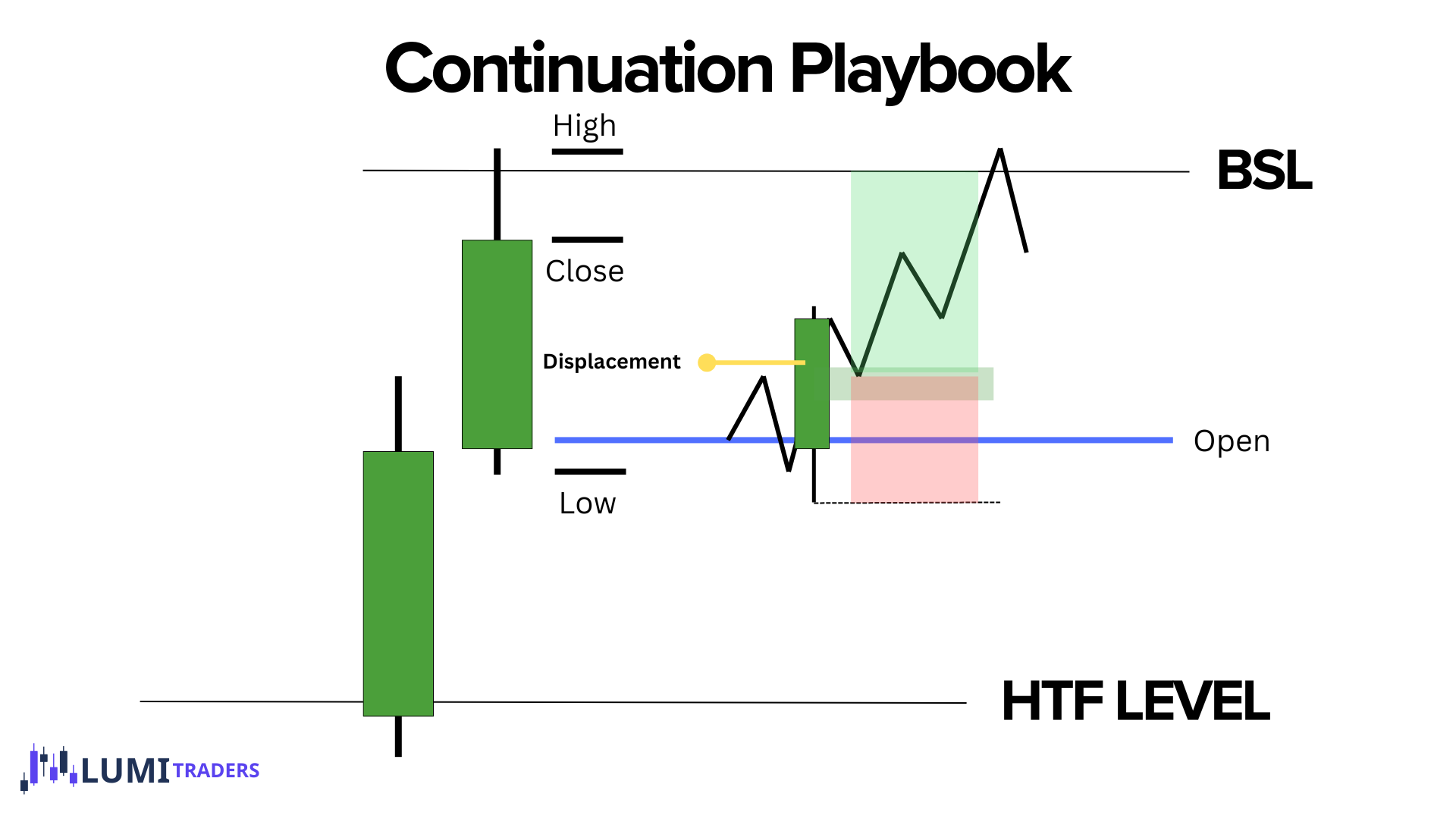
Continuation Playbook
Use this playbook when the important manipulation has already happened before 10:00 AM.
This is completely different from the reversal setup.
We do not expect the new 4-hour candle to create another large manipulation.
Instead, we expect:
Small wick → large body
The market already knows where it wants to go.
The 10:00 AM candle is simply continuing the existing delivery.
Bullish Continuation Playbook
Before 10:00 AM, price has already completed the bullish setup.
For example:
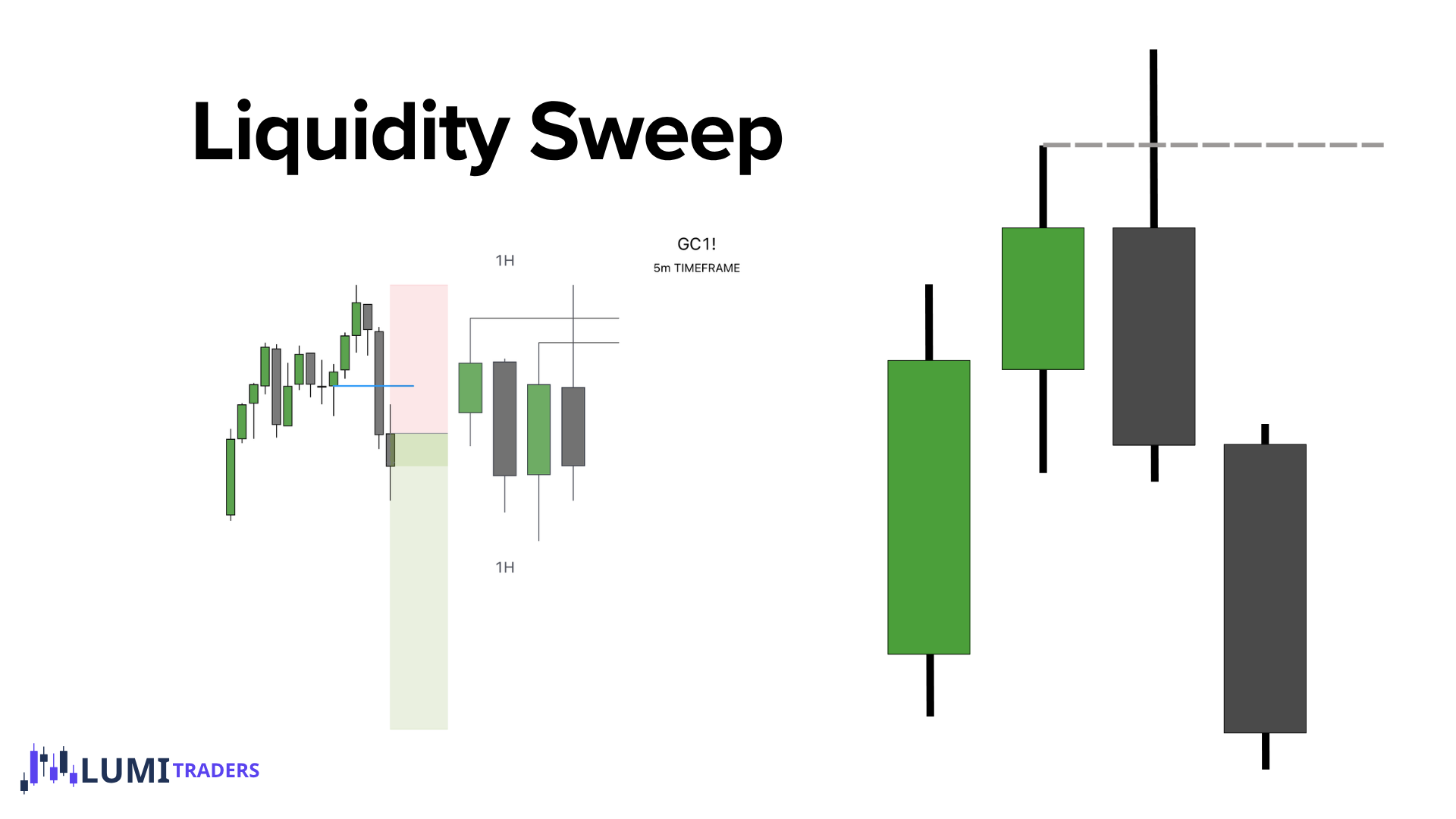
Sell-side liquidity was already taken.
Price already reached a bullish higher-timeframe PD Array.
Bullish displacement already occurred.
Relevant structure already broke higher.
The higher-timeframe draw remains above.
The manipulation has already occurred.
Therefore, when the new 4-hour candle opens at 10:00 AM, we do not want to wait for a major drop below its open.
The new candle may create only a small lower wick.
Then it may immediately begin forming a large bullish body.
Step 1 — Confirm Manipulation Is Already Complete
Before 10:00 AM, ask:
Was sell-side liquidity already taken?
Did price already react from the bullish area?
Did bullish displacement already occur?
Is bullish structure already established?
Is the target above still open?
If yes, prepare for continuation.
Step 2 — Mark the 10:00 AM Open
Once the new 4-hour candle begins, watch how price behaves relative to the open.
In a strong bullish continuation setup, price may:
Trade only slightly below the open.
Create a tiny lower wick.
Immediately move back above.
Or simply hold above the open almost immediately.
Do not demand a large liquidity sweep below the new open.
Step 3 — Look for Immediate Bullish Body Formation
Once price starts holding above the 10:00 AM Open, the new 4-hour candle is beginning to form its bullish body.
We want to see:
Strong bullish displacement.
Very little hesitation around the open.
Shallow pullbacks.
2-minute bullish FVGs.
2-minute bullish order blocks.
Internal SSL being created and respected.
This is continuation behavior.
Step 4 — Do Not Wait for a Deep Retest
This is one of the biggest differences between reversal and continuation.
In a reversal setup, the 10:00 AM Open may offer a significant retracement.
In a continuation setup, it often does not.
If price immediately expands away from the 10:00 AM Open, waiting for a perfect retest of the open may cause you to miss the move.
Instead, use the 2-minute chart.
Look for the first clean shallow retracement.
Step 5 — 2-Minute Long Entry
Look for:
2-minute bullish FVG.
CISD.
Internal SSL sweep.
Small pullback.
Enter long while price remains above the 10:00 AM Open and the bullish structure remains intact.
Stop:
Below the protected 2-minute low.
Target:
The higher-timeframe buy-side liquidity objective.
Same idea applies for Bearish Reversal Playbook.